
Book your Forest Therapy walk in Australia!

You can now find an INFTA-Certified Forest Therapy Guide at locations across Australia by clicking here! Originating from Japan, Shinrin-yoku (Nature and Forest Therapy) is an evidence-based preventative and therapeutic health practice of immersion in forests and other natural environments, intending to promote mental and physical health while at the same time being able to enjoy and appreciate nature. The walks are very popular so book your spot early! Since the pandemic, people are more stressed, anxious, and depressed and have chronic health conditions. Guided Forest Therapy walks provide a pathway for people to regain their health, feel safe and supported, learn and remember how good it is to immerse in nature and rest from all that consumes us in our daily lives. Forest Therapy walks help participants take time out of their busy lives so they can slow down and connect with the calming and health-giving benefits of nature. During a Forest Therapy walk, you will be guided through a sequence of nature connection practices. There is no expectation of what you should do, experience, or receive. Rather, guides simply encourage and support participants to immerse in nature through their senses, looking, listening, exploring, noticing and feeling with a quiet and accepting presence. A relaxing tea ceremony! Forest Therapy Guides gently support participants through a sequence of nature connection activities to wonder slowly, mindfully and in appreciation of nature. Taking a walk in nature has healing power for our minds and souls. We don’t ask anything from nature, yet nature gives us silence, peace, harmony and beauty, without limits. Walking in nature is an efficient therapy for our stressed, fast-paced lives.
Make your sit spot practice private and intimate
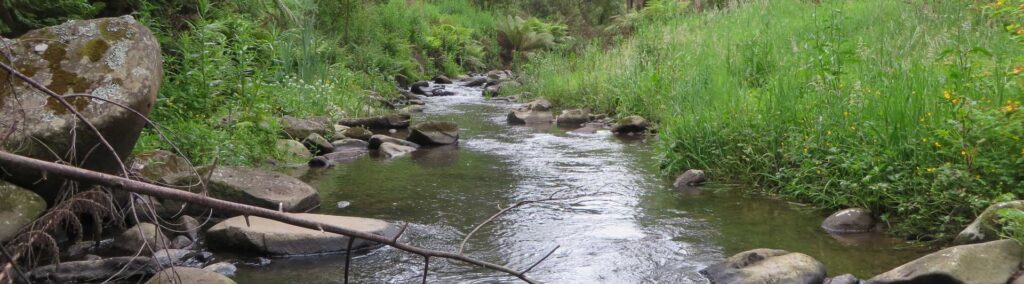
I recently introduced the ‘sit spot’ practice to guests on a guided walk. Curious as to what this means, I explained the ancient practice of finding a place of intimate connection with nature – a place where you learn to sit still – alone, often and quietly. As promised in my last blog, here are some suggestions about getting the greatest benefit from your sit spot. It is a regular habit which benefits my Forest Therapy guiding and mentoring. I used to think I had a good connection with nature with all my hiking. However, I have come to learn and appreciate a further level of connection from a few simple practices at my sit spot. My sit spot has become my nesting niche, retreat and renewal centre. Although keeping still is hard for most of us, we can gain a lot of benefits both physical and mental through this simple, but powerful practice. So, how can YOU tap into the benefits of a sit spot practice? Find time when your chores are done and you can slip away alone. Then quietly approach your sit spot and you’ll notice more. Having established a sit spot routine, you will soon find incredible things happening around you and with you: maybe an echidna will come out of the shrubs and feed a few meters next to you! It’s a practice of being completely present, opening all the senses to become aware of all that is going on in the environment. It takes time for animals to feel safe again to come out and continue with their daily routines. The other part to this routine is about sitting, about stillness. Focus on improving your sit spot and your observation skills. By being a quiet, unobtrusive guest you will learn to make yourself welcome again, as an accepted member of the natural community. To fully get to know your sit spot, go there at different times of day. Depending on the time of day you will observe different animals and different behavior patterns. Notice the different birds, flowers and animals through the seasons. Big umbrellas are good for rainy but also very sunny days! Sit quietly and comfortably as this is the best way to allow the natural world to get to know you as well. After a while, birds and animals may approach you with curiosity. Allow yourself a few minutes to start noticing. Once you sit quietly long enough, the birds accept the fact that you are there and there for good. As they return to their daily tasks, a previously hidden dimension of your landscape opens up. Simply try listening firs to different bird songs until you can distinguish between them. Use all your senses: your vision, hearing, touch, taste and smell. If you are intuitive, you can use that too. Occasionally, I take my journal to my sit spot to sketch or write what I observe. Yesterday I observed what is best described as a ‘territorial war’ between birds at the pond. After heavy rain I may take my camera as the creek is beautiful when flowing. Let nature guide you to enjoy your sit spot in mindful ways. I have two: one is on the edge of a small creek with wooded area in the neighborhood. The other is our home garden where I can observe lots of birds and different wild flowers. Having two sit spots makes it easy to connect with nature, whatever the time, day or weather. Busyness, does not interfere! I hope you can make the best of your sit spot practice this year. It is an experience that each person enjoys and benefits in different ways. Enjoy your sit spot in a way that brings you joy, happiness and connection.
Cultivate Self-Care: Embrace these 10 Daily Rituals for a Balanced Life

In the hustle and bustle of our daily lives, it’s all too easy to forget to take care of ourselves. Yet, by incorporating small, daily self-care habits, we can ensure that we are at our optimum—emotionally, physically, and mentally. These moments of mindfulness are essential for reconnecting with ourselves and finding balance in our hectic world. I’m happy to share some simple yet impactful ideas to help you carve out a little time for yourself each day. You deserve it. Start incorporating these steps into your life this week and begin your journey towards a more centered and fulfilled self. Start including these simple steps in your life. Begin this week. Especially this week. 1. Be still. Start a sit spot practice – 10 minutes in your garden. 2. Walk. Take a short walk without your mobile phone – leave it at home. 3. Connect. Walk on grass without your shoes – what do you notice? 4. Relax. Give your body ten minutes of mindful attention – start with relaxing your cheeks, your neck, your shoulders, all the way down to your toes. 5. Breathe. Take ten deep breaths of fresh air – inhale through your nose, exhale through your mouth or nose. 6. Savor. Take ten minutes to eat an apple (or fruit of your choice). Chew slowly, noticing the textures, smells and taste. 7. Inhale lavender, peppermint or other sweet smelling herbs or flowers. Relish the aroma and notice the sensations. 8. Read. Find a quiet spot at home or in your garden and read a poem from nature. Sip on your favorite tea. 9. Bathe. Soak yourself in a hot tub with nature infused oils and aromas. 10. Treat. Buy a small nature-inspired luxury as a way of valuing yourself. A plant, recyclable yoga mat, or a Forest Therapy guided walk! With a little bit of attention to your own self-care, you will feel more connected to yourself and the world around you. Incorporating a few of these ideas in your day will help keep you in tune with nature. And that’s always a good thing! Which one will you try first? Here are some links to research which shows that nature experiences provide an antidote to stress and support general wellness, offering restorative experiences that ease the mind and heal the body.
Managing Everyday Stress Mindfully
In today’s fast-paced world, stress and anxiety have become all too common. According to the Australian Bureau of Statistics, 42.9% of people aged 16–85 years have experienced a mental disorder at some point in their lives, with 21.5% experiencing a mental disorder in the past 12 months. Anxiety disorders are the most common, affecting 17.2% of people aged 16–85 years. Chronic stress can lead to various health issues, including high blood pressure, heart problems, weakened immune function, digestive disorders, and mental health conditions like depression and anxiety disorders. Having a daily mindfulness practice can be a powerful tool to manage stress and improve overall well-being. By dedicating just a few minutes each day to mindfulness, you can cultivate a sense of calm, enhance your focus, and develop a greater awareness of your thoughts and emotions. This practice can help you respond to stress more effectively and improve your overall quality of life. Best Time to Practice: It is often helpful to start this practice in the morning to establish a regular routine. By doing so, you set a calm and mindful tone for the day ahead. Additionally, having this practice in your toolkit can help you navigate and overcome stressful situations as they arise throughout the day. Everyday Mindfulness to Bring Calm If you want to book a session of Breathwork, contact us info@inmynature.life
Forest Therapy at Geelong Botanic Gardens
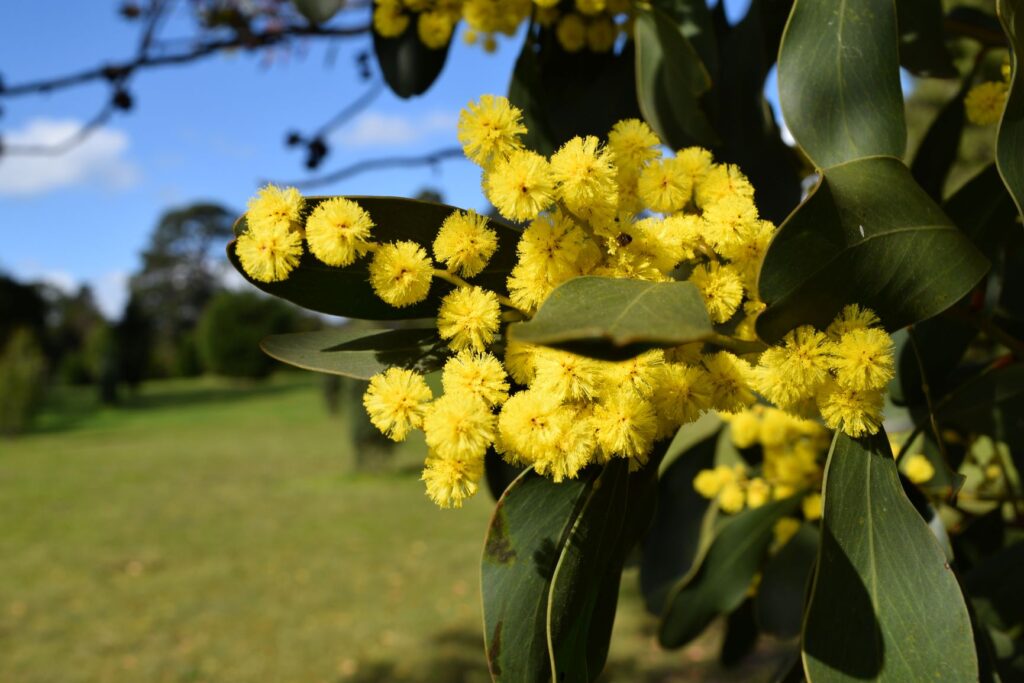
Join Susan Joachim, President of the International Nature and Forest Therapy Alliance (INFTA), and Founder of Shinrin-Yoku, Forest Therapy Australasia, on an exclusive Forest Therapy experience in the beautiful Geelong Botanic Gardens. Bookings are now open via Eventbrite. What is Forest Therapy? The practice translates literally from Japanese “Shinrin-yoku” as “Forest Bathing” – immersing ourselves in the atmosphere of forests and other natural surroundings. “Forest Therapy” is now considered nature’s remedy to stress and a pathway to a happier, healthier and more fulfilling life. The practice is backed by thorough medical and scientific research – and the plethora of health benefits are wide-reaching for all age groups. What happens during a guided Forest Therapy session? Susan will guide you on a relaxing and rejuvenating walk, with plenty of time to slow down and soak up the beauty of this enchanting garden, one of the best-kept secrets in the region. We’ll see the emerging colours of spring among the lovely tree plant collections, as well as exciting new vistas as the leaves emerge. Forest Therapy walks take on a slow immersive pace, unlike a hike or botanical walk. The Geelong Botanic Gardens provide a rich tapestry of sensory experiences that invite us into the moment. Over the two hours, your will spend some time walking at a leisurely pace, stopping and sitting. Usually, you would be in shade, but sometimes we may sit in an open space. With a focus on slowing down, the guided walk encompasses a series of place-based activities on easeful nature trails, to help us relax, become present and deepen our connection to nature. The experience invites room for listening, healing, reflection, for quiet, accepting presence, and for inquiry through all the senses. There is no right or wrong way to participate in the activities, simply follow your intuition and curiosity to explore the natural surroundings. The Forest Therapy experience concludes with a tea-sharing ceremony, inspired by the Japanese way of tea. =====BOOKING CONDITIONS====== All attendees must comply with the latest VIC Public Health Order and State Government Guidelines regarding COVID-19 and distancing at the time of the booking taking place. THINGS TO KNOW/BRING: Please arrive by 9:45 am to fill out preliminary formalities. We will start the walk promptly at 10:00 am. The event will go ahead even in rainy weather. However, if we need to cancel due to inclement weather, bush fires or notifications from council or parks authorities, participants will be notified on the morning by 9:00 am. How to get to the gardens: Geelong Botanic Gardens is close to the Geelong Waterfront within Eastern Park. If using GPS the garden’s entrance is at the intersection of Podbury Drive and Eastern Park Circuit For further information about the venue, directions and car parking, please click here. We look forward to seeing you there! —————————————————————————————————————- We Acknowledge the Wadawurrung People as the Traditional Owners of the Land, Waterways and Skies. We pay our respects to their Elders, past and present. We Acknowledge all Aboriginal and Torres Strait Islander people who are part of our Greater Geelong community today.