Find a quiet place in nature and notice…
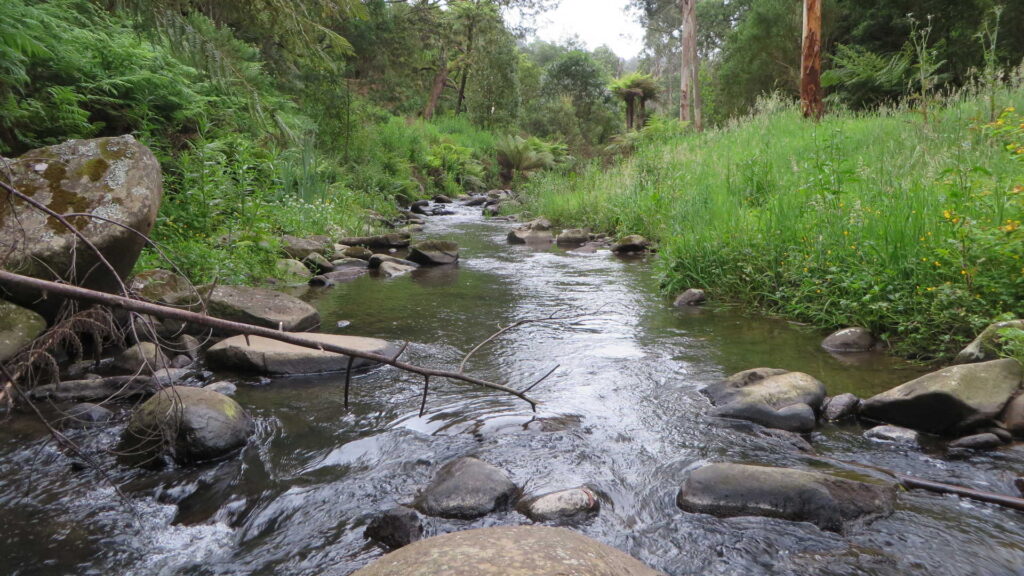
It’s now quiet. I notice a butterfly and another and another… vigorous flight over the tall grass alongside the creek.
Forest Therapy: A mindful walk in the woods to de-stress
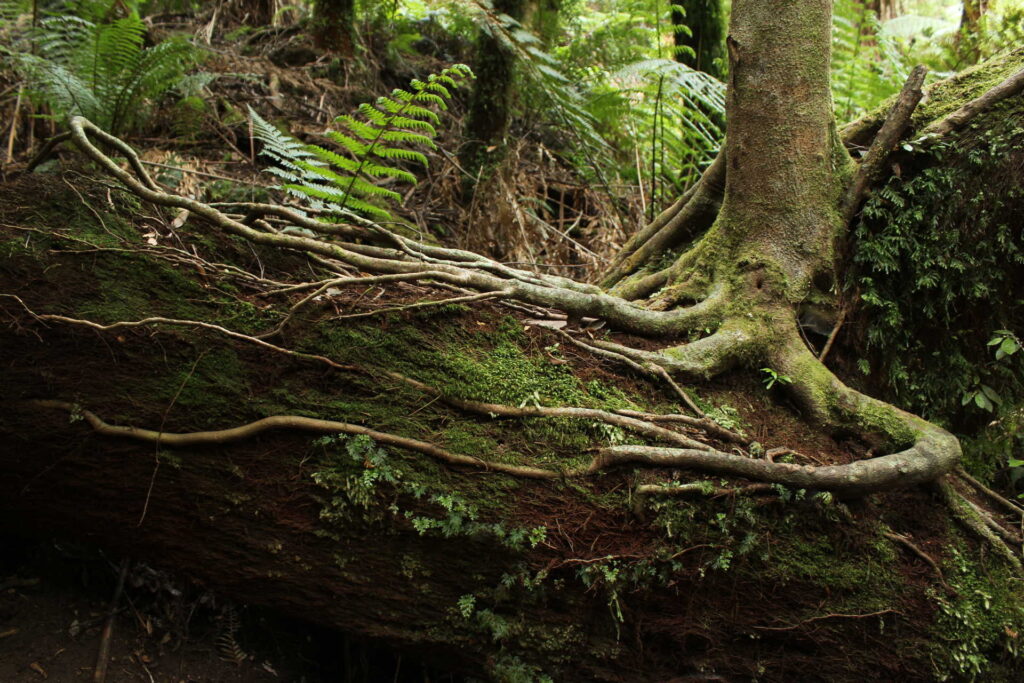
On a cold and gloomy Sunday morning, my group of friends stood in a circle under a gum tree, looking at me with slight curiosity. I had led many hikes with them in various beautiful places in Victoria. But Forest Therapy? In my introduction, I explained that Forest Therapy derives from the Japanese “Shinrin-yoku;” the practice of taking luxurious walks in forested areas for the purpose of enhancing health, wellness, and happiness. This way of mobile meditation has been recognized officially by the Japanese Government since the 1980s and its benefits continue to be studied around the world. Although we are inspired by the Japanese practice, our use of the terms “Forest Therapy” and Shinrin-yoku” do not mean to follow a specifically Japanese practice. Rather, we mean spending time in nature in a way that invites healing interactions. There is a long tradition of this in many cultures throughout the world. Learn to let the land and its messages penetrate into your mind and heart more deeply Evidence-based benefits Studies have found that when people strolled through a wooded area, their feelings of stress, anxiety or anger had decreased and levels of the stress hormone cortisol plummeted almost 16 percent more than when they walked in an urban environment. Even after just 15 minutes of walking, subjects’ blood pressure showed a marked improvement. Yet, one of the biggest benefits may derive from breathing so-called phytoncides, antimicrobial substances emitted by trees and plants. Women who spent two to four hours in a forest on two consecutive days saw a dramatic reduction of stress hormones, and a nearly 40 percent surge in the activity of cancer-fighting white blood cells. Unsurprisingly, research has also shown that the emotions of pleasure and happiness are elevated during these walks. Why do I need a Guide to experience these benefits? One of the easiest ways to benefit from the medicine of the forest is simply taking a contemplative walk through the woods to reconnect with nature. Studies have shown that this leads to decreased stress, natural mood elevation, improved perceptions of energy or vigor and even a stronger immune system. Isn’t this is just confirming what we all intuitively know? Get outside, engage with nature and you will feel healthier and more connected? Yes and no! As an experienced hiker, I have a noticeable improvement in my wellbeing when out on a hike. I feel less stressed, get sick less often, and find a spiritual calm that keeps my optimism brimming through the seasons. However, I derive many more benefits during a forest therapy guided walk by learning “how to be present”, how to slow down in nature and really engage my senses. I practice regularly how to interact mindfully with nature, through specific activities and other core routines which are designed deliberately to slow us down and widen our senses. Consequently, I began to develop a reciprocal relationship with the forest. I have never felt happier, more positive and alive! This is where the real magic happens. Slowing down in a natural setting, and being guided derives the maximum and long-lasting benefits. Being led by an INFTA-Certfied Forest Therapy Guide has been documented to lower stress and blood pressure levels, impart a sharper cognitive focus, lessen depression all while boosting one’s immune system for weeks after. The benefits of a guided walk We all experience a ‘nature connection’ at some point in our lives. But as our ‘busyness’ gets in the way, how do we recalibrate the senses and refresh from the effects of our digital lives and an overabundance of screen time? The practice of Shinrin-yoku has a specific intention to connect with nature in a healing way to deepen our relationship with nature, and in the exchange of health benefits between humans and the more-than-human-world. The benefits of these contemplative walks and reconnecting with nature in forests have been medically researched for many years. A guided walk helps participants to slow down and open their senses. You perceive more deeply the nuances of the constant stream of communications rampant in any natural setting. You will also learn to let the land and its messages penetrate into our minds and hearts more deeply. Forest Therapy guided walks are suited to anybody, irrespective of age or physicality. The gentle, slow walks of no more than one or two kilometers on even, flat surfaces, offer a simple remedy for stress, letting go of time and busyness. The walk takes about three hours, with no more than a dozen people, culminating – just like in the original Japanese tradition – with a tea ceremony. The language of the Shinrin-yoku guided walk is open, inviting and gentle. We all experience nature in a myriad of ways, and these walks allow us to leave our structured, hurried, directed everyday life to make deeper and more meaningful connections through nature with ourselves. Walkers develop a deeper sense of relationship to nature just from taking time to notice what’s around. It’s all about letting go the busyness of life, taking time to notice all the living beings around; how the sunlight falls on a petal, listening to a flowing creek, or the pleasure of wind against your skin. Little effort is required towards a cognitive experience throughout the walk – the door is rather opened to experience nature in a vivid, pleasurable, calming way. When can I join a guided Forest Therapy walk close to Melbourne? A whole series of Shinrin-yoku guided walks will begin in the New Year. Please, check our Facebook page for the latest updates! I invite you to join me to get outdoors and experience the wonderful feeling of being present in nature. To enjoy “bush time” in our magnificent forests. To explore Shinrin-yoku. To take time to listen, breathe, be quiet and still. To enjoy the benefits of bonding in nature, together.
Cultivate Self-Care: Embrace these 10 Daily Rituals for a Balanced Life

In the hustle and bustle of our daily lives, it’s all too easy to forget to take care of ourselves. Yet, by incorporating small, daily self-care habits, we can ensure that we are at our optimum—emotionally, physically, and mentally. These moments of mindfulness are essential for reconnecting with ourselves and finding balance in our hectic world. I’m happy to share some simple yet impactful ideas to help you carve out a little time for yourself each day. You deserve it. Start incorporating these steps into your life this week and begin your journey towards a more centered and fulfilled self. Start including these simple steps in your life. Begin this week. Especially this week. 1. Be still. Start a sit spot practice – 10 minutes in your garden. 2. Walk. Take a short walk without your mobile phone – leave it at home. 3. Connect. Walk on grass without your shoes – what do you notice? 4. Relax. Give your body ten minutes of mindful attention – start with relaxing your cheeks, your neck, your shoulders, all the way down to your toes. 5. Breathe. Take ten deep breaths of fresh air – inhale through your nose, exhale through your mouth or nose. 6. Savor. Take ten minutes to eat an apple (or fruit of your choice). Chew slowly, noticing the textures, smells and taste. 7. Inhale lavender, peppermint or other sweet smelling herbs or flowers. Relish the aroma and notice the sensations. 8. Read. Find a quiet spot at home or in your garden and read a poem from nature. Sip on your favorite tea. 9. Bathe. Soak yourself in a hot tub with nature infused oils and aromas. 10. Treat. Buy a small nature-inspired luxury as a way of valuing yourself. A plant, recyclable yoga mat, or a Forest Therapy guided walk! With a little bit of attention to your own self-care, you will feel more connected to yourself and the world around you. Incorporating a few of these ideas in your day will help keep you in tune with nature. And that’s always a good thing! Which one will you try first? Here are some links to research which shows that nature experiences provide an antidote to stress and support general wellness, offering restorative experiences that ease the mind and heal the body.
Forest Therapy at Geelong Botanic Gardens
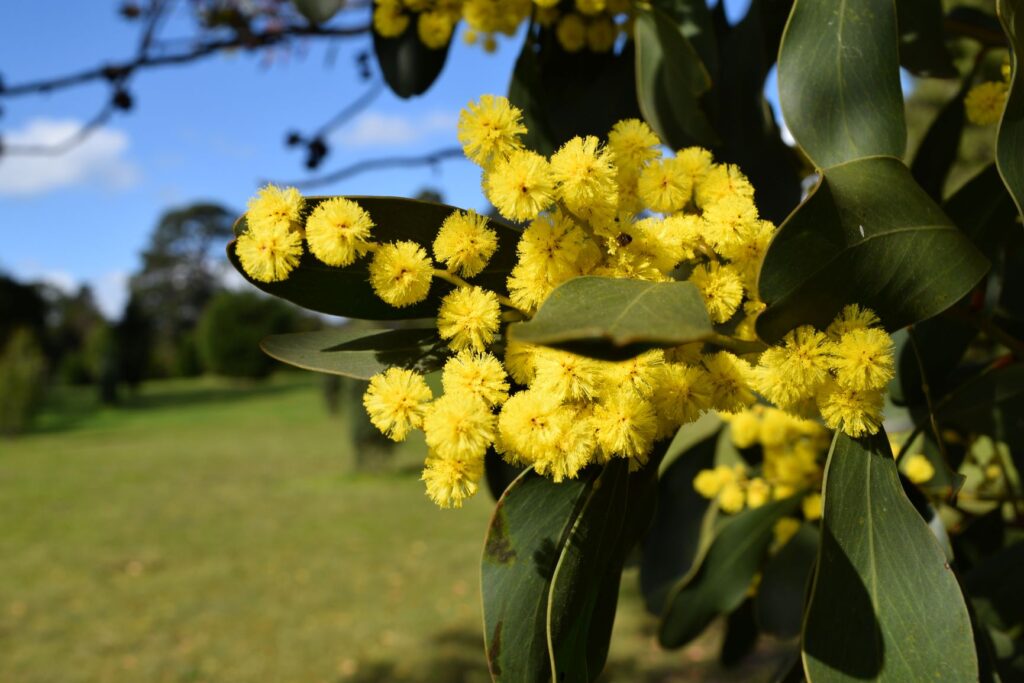
Join Susan Joachim, President of the International Nature and Forest Therapy Alliance (INFTA), and Founder of Shinrin-Yoku, Forest Therapy Australasia, on an exclusive Forest Therapy experience in the beautiful Geelong Botanic Gardens. Bookings are now open via Eventbrite. What is Forest Therapy? The practice translates literally from Japanese “Shinrin-yoku” as “Forest Bathing” – immersing ourselves in the atmosphere of forests and other natural surroundings. “Forest Therapy” is now considered nature’s remedy to stress and a pathway to a happier, healthier and more fulfilling life. The practice is backed by thorough medical and scientific research – and the plethora of health benefits are wide-reaching for all age groups. What happens during a guided Forest Therapy session? Susan will guide you on a relaxing and rejuvenating walk, with plenty of time to slow down and soak up the beauty of this enchanting garden, one of the best-kept secrets in the region. We’ll see the emerging colours of spring among the lovely tree plant collections, as well as exciting new vistas as the leaves emerge. Forest Therapy walks take on a slow immersive pace, unlike a hike or botanical walk. The Geelong Botanic Gardens provide a rich tapestry of sensory experiences that invite us into the moment. Over the two hours, your will spend some time walking at a leisurely pace, stopping and sitting. Usually, you would be in shade, but sometimes we may sit in an open space. With a focus on slowing down, the guided walk encompasses a series of place-based activities on easeful nature trails, to help us relax, become present and deepen our connection to nature. The experience invites room for listening, healing, reflection, for quiet, accepting presence, and for inquiry through all the senses. There is no right or wrong way to participate in the activities, simply follow your intuition and curiosity to explore the natural surroundings. The Forest Therapy experience concludes with a tea-sharing ceremony, inspired by the Japanese way of tea. =====BOOKING CONDITIONS====== All attendees must comply with the latest VIC Public Health Order and State Government Guidelines regarding COVID-19 and distancing at the time of the booking taking place. THINGS TO KNOW/BRING: Please arrive by 9:45 am to fill out preliminary formalities. We will start the walk promptly at 10:00 am. The event will go ahead even in rainy weather. However, if we need to cancel due to inclement weather, bush fires or notifications from council or parks authorities, participants will be notified on the morning by 9:00 am. How to get to the gardens: Geelong Botanic Gardens is close to the Geelong Waterfront within Eastern Park. If using GPS the garden’s entrance is at the intersection of Podbury Drive and Eastern Park Circuit For further information about the venue, directions and car parking, please click here. We look forward to seeing you there! —————————————————————————————————————- We Acknowledge the Wadawurrung People as the Traditional Owners of the Land, Waterways and Skies. We pay our respects to their Elders, past and present. We Acknowledge all Aboriginal and Torres Strait Islander people who are part of our Greater Geelong community today.