Find a quiet place in nature and notice…
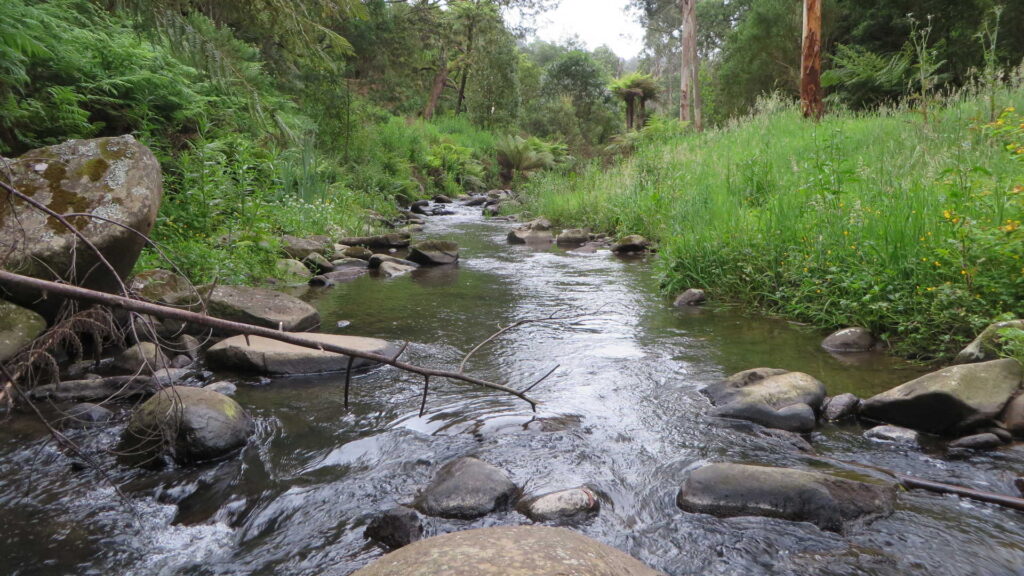
It’s now quiet. I notice a butterfly and another and another… vigorous flight over the tall grass alongside the creek.
Take a relaxing “Forest bathing” walk close to Melbourne – Toolangi
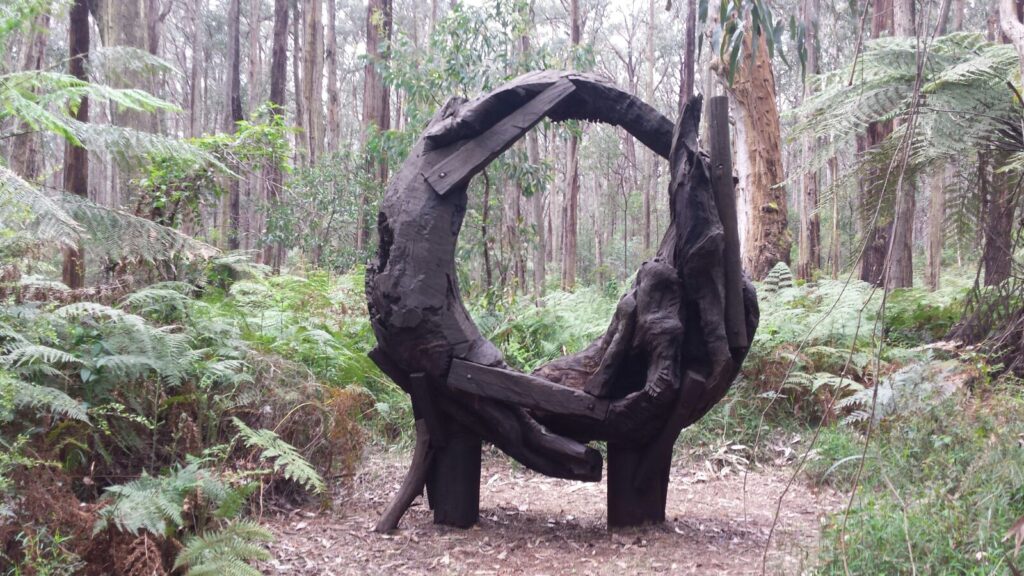
Every weekend, I check out the best spots in close proximity to Melbourne for stressed-out city dwellers to escape to and experience forest bathing or ‘taking in the medicine of the forest’. Recently, as I drove through the beautiful Yarra Valley with my friend Richard, I realized how lucky we Melbournians are to have such lush forests in close proximity to the city. Forest like these offer a wonderful healing experience – if only we visit more often! And I’ve picked up some interesting facts to share: To experience a very relaxing and healing forest bathing experience, I would recommend parking at the Forest Discovery Center, and stepping inside to see the lovely works of art inspired by nature. Switch off your mobile ☺. Then, step outside for a gentle stroll around the Toolangi Sculpture Trail. Stop to admire and read the history and story behind each ephemeral and permanent sculpture that reflects the artist’s environmental concerns and explorations of nature. The Yea River Walk opposite the center is ideal for a real forest immersion experience. It is an easy one-hour walk which passes through Messmate, Narrow Leafed Peppermint, Mountain Grey Gum forest and Mountain Ash forest. The Yea River is full of aquatic life including platypus and many fish species. The viewing platform provides an excellent vantage point to see the river. It’s so relaxing to walk at Toolangi State Forest. If you need to de-stress, get away from the hustle and bustle of Melbourne CBD or just need some time out to relax, please join me for a guided Forest Bathing Walk at the Toolangi Forest. If you like, please have a look when next we offer a guided walk at this magnificent and healthy natural environment and other locations close to Melbourne.
If you ever feel lost, find yourself in nature
I have found ‘nature’ to be one of the common denominators in people’s healing journey. Physical healing aside, the natural world is where we have always gone in times of celebration and grief. It’s a place to find peace and wisdom. We all know intuitively that nature provides healing, refuge, peace and clarity. Is this what we now refer to as “forest therapy?” A therapy that has no known negative side effects and is readily available, in all seasons? A prescription for ails of the body and mind? A nature connection that improves cognitive functioning, lowers blood pressure and reduces stress? A forest therapy guided walk opens the door to many of these benefits and more! As a guide, I will help you find your way back to yourself, through the healing power of mindful connection to nature. It’s about being “present” and looking beyond the surface, since looking deeply makes for a more connected and grateful life. Leave the stress behind and just Breathe! Relax. Feel good. Listen. Simply Notice… What to expect on a forest therapy guided walk A Forest Bathing/Shinrin-yoku walk takes 2 to 3 hours and covers no more than a kilometer over easy, flat surfaces. I will help you slow down, awaken your senses, ditch the phone, and restore your relationship with yourself, the land and really immerse in the ‘atmosphere of the forest.’ You do not have to effort, rather be invited to a pleasurable and soothing experience. I draw upon mindfulness practices, and the techniques of deep nature connection mentoring. It takes 20 to 30 minutes for the body and mind to settle into new surroundings. As a guide, I select only the most comfortable, gentle walking paths and healing forests so that you will experience nature in a mindful and present way. Our practice helps you become aware of your senses. To really slow down. You are invited to be more gentle with yourself and receive all that nature has to offer. Join me on a guided walk Get re-introduced to nature in a way that is supportive and engaging. Allow yourself to receive your own unique experience with the earth. As your guide, I will hold a safe non-judgemental space to help you open up to experience all that is going on around you. Even new senses which you will soon discover. Join me on a guided walk with a small group. Or call me for a one-on-one private walk. I will be grateful for the experience to introduce you to nature. Each of us is bound to nature by invisible threads. At the end of the day, we come out into nature not because science says it does something to us, but because of how it makes us feel.
Slower, Simpler, Nature
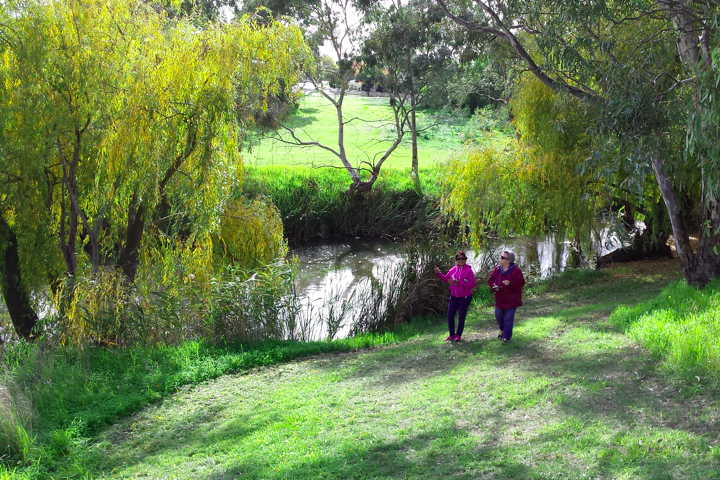
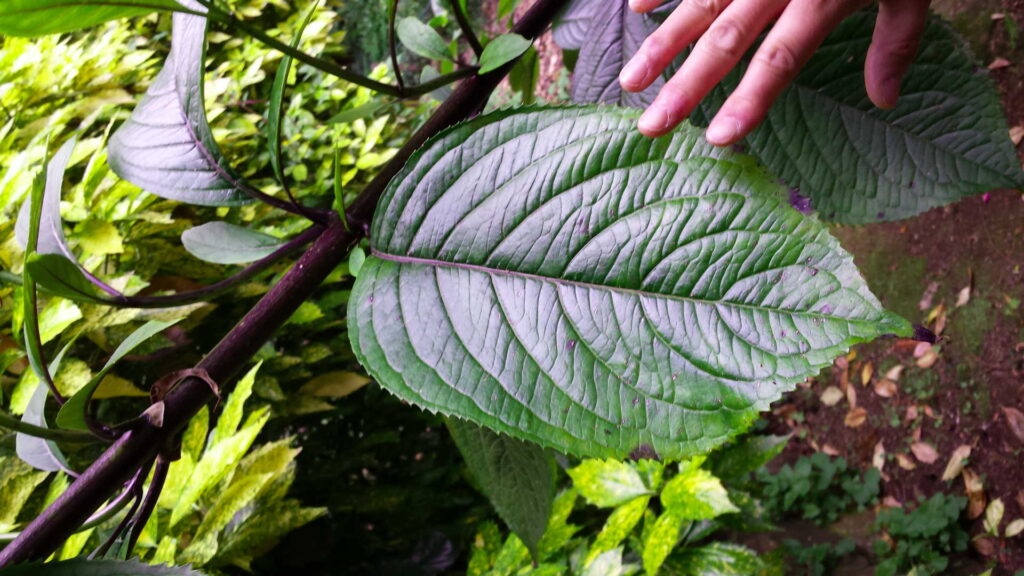
I haven’t always managed my stress and more than not ignored the signs that my mind and body were trying to warn me about until I was completely depleted and burnt out. My job at the time was all consuming, I gave 110% to my special needs students and work colleagues. After work and on weekends were not down time, they were spent making resources, doing research, planning lessons, giving to my family along with the general household chores that we all have to do. I would literally push through the fatigue and just keep going. It got to the point where something had to give and it was my health and wellbeing that fall apart. So after a lot and I do mean a lot ( over 18 months) of deep thinking and soul searching, I made the decision to resign from my job, a job I absolutely loved but I had nothing left to give and I had to do it for my over all health and wellbeing. That’s when I allowed nature in and it changed my life. My Husband and sons gave me a puppy for my 50th birthday. I started taking her for little walks around our property and as she grew bigger and stronger we started going for longer walks in the nature reserve behind our property. At first I would rush through the walk with Ivy with my head still on the tasks I wanted to do and wasn’t doing at home. It wasn’t really enjoyable for either of us. So…… I started to make a conscious effort to slow the walk down, to take notice of my surroundings and focus on the present moment of what I could see, what I could hear, what I could smell. The first thing that really stood out was all the different shades of green, from bright lime green to a deep olive green, so many shades. Then it was the leaves on the plants and those that had fallen to the ground. So many different shapes, sizes and colours. Our walk each day became a time of mindfulness and calm. I not only looked forward to this each day, my wellbeing craved it. To be outside has become a need. I feel its calming influence, its healing power and notice when I haven’t spent enough time out there. As I write this I’m sitting under a big Callistemon ( Bottle Brush) tree that I planted as a seedling over 30 years ago. My bare feet are resting on the grass and I can hear the breeze rustling the leaves of the trees, various bird calling out to each other. The odd Cicada is clicking away and the tinkling of some wind chimes can be heard. Just the simple act of sitting outside, taking off my shoes and connecting with the earth makes such a positive impact. Nature always continues to offer new things to notice as the seasons change, from the changing of colours, the smell of the first rains to the beautiful wildflowers at Springtime. We have recently purchased a coastal property which was a dream of mine. I’ve always loved the beach and its a sanctuary for me. To walk along the waters edge, sink my feet deep into the sand, listen to the sounds of the waves, feel that fresh sea breeze on my face just fills my soul. Again noticing what I can see, hear, smell, taste and touch. Standing at the waters edge as the waves wash in and out over my feet is such a healing ritual. My name is Tania, I live in the Perth Hills in Western Australia on a 5 acre tree filled property. I’m the owner of Wild Ivy Child Collective and Seaglass and Sol Coastal Retreat, both nature based small businesses promoting wellbeing and a slower, simpler life. I’m a Mum to two grown up sons and Grandma to our gorgeous little Grandson. Both my Husband and a Son run their businesses from home, so life can still be crazy busy but nature is always their to remind us to take a break, sit out in the garden to have that morning cup of coffee, take the dog on a bush walk, dip those feet into the ocean, walk barefoot on the lawn while you water the garden, get out and plant something. Be still, stop and just listen to the sounds around you and make it a part of your daily life. Slow down, keep it simple, get back to nature, live intentionally. Written byTania ScottSlower~Simpler~NatureFor every Wild Child regardless of age.wildivychild.com.au
Finding joy and calm
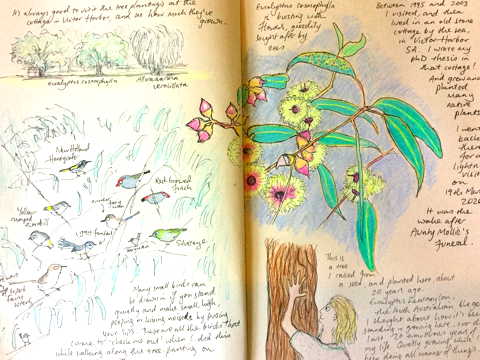
The earth seems to be shifting under our feet. Nothing seems certain, and it’s easy to let our anxieties and fears grow. That is, if we focus on human affairs only. Because out there, in nature, the world is going on. Lives are born and lives end. Trees that are already hundreds of years old, they keep steadily growing. Millions of small dramas, small wonders, and daily miracles are happening all around us. We just need to slow down, bring ourselves into the present, and open our senses. But this can be hard. A thousand worries and tasks clamouring for our attention. Perhaps an internal monologue of fear, or even doom. Some people feel that if they don’t constantly worry about their loved ones, this means that they don’t care about them. But everyone needs to care for themselves too, so that we can remain happy and healthy. In that way, we can go on caring for our loved ones more effectively and for longer. One method of finding joy and calm that always works for me is by writing and drawing. But I mean the kind of writing and drawing where I don’t set myself any goals or standards. Where I don’t put any pressure on myself for the writing or drawing to turn out in any particular way. No one else needs to see what’s in my journals. They are for me only. My own personal response to the world. In my written journal, I just start writing about whatever is bugging me, and see what comes out. Often I write down questions, and then try to write through into an answer. With my drawing, I find the best way is to go out into nature and find something that sparks my interest. It also helps to find a comfortable place to sit or stand. Then I give my attention to that flower, bird, tree, landscape, whatever, and try to draw it. It doesn’t matter what comes out. If I’m really tired I’ll do a contour drawing. This is extra-low-pressure because this means I don’t look at the page, and I don’t take my pen off the page. I just look at the natural thing, and let my pen describe its outlines – its contours. Sometimes I go out into nature, and write down impressions as I go. Sometimes I sit quietly, listen to all the sounds I can hear, and then try to draw a sound map. All of these techniques have a similar effect on me. They slow me down. They shift my focus from worrying to one of close observation, of being in the present. Watching a little bird hop about, or studying the intricate beauty of a flower, fills me with joy. Something about putting pen to paper is both grounding and calming. A written journal, about personal problems, can be cathartic too. It’s almost as if taking the thought and putting it on paper, away from yourself, both relieves the weight of the thing in your mind, and also gives you a better perspective to see the thing more clearly. So in these strange times, please take some time to care for yourself. Perhaps try some writing or drawing as I’ve described here. More detailed descriptions of these exercises can be found in my book Make a Date with Nature that you can download for free here: https://www.paperbarkwriter.com/ Yours Paula Peters
Make your sit spot practice private and intimate
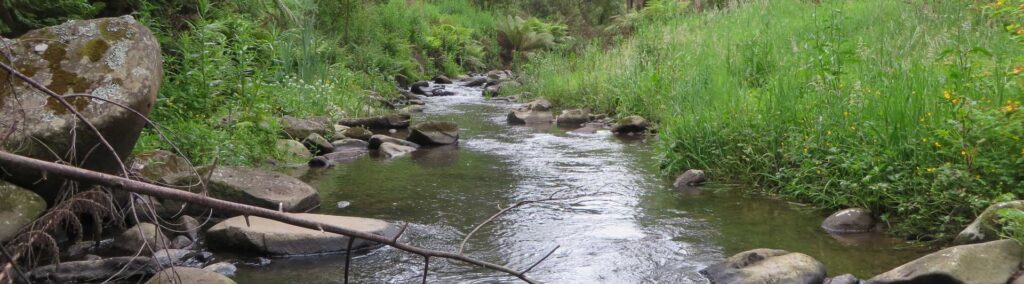
I recently introduced the ‘sit spot’ practice to guests on a guided walk. Curious as to what this means, I explained the ancient practice of finding a place of intimate connection with nature – a place where you learn to sit still – alone, often and quietly. As promised in my last blog, here are some suggestions about getting the greatest benefit from your sit spot. It is a regular habit which benefits my Forest Therapy guiding and mentoring. I used to think I had a good connection with nature with all my hiking. However, I have come to learn and appreciate a further level of connection from a few simple practices at my sit spot. My sit spot has become my nesting niche, retreat and renewal centre. Although keeping still is hard for most of us, we can gain a lot of benefits both physical and mental through this simple, but powerful practice. So, how can YOU tap into the benefits of a sit spot practice? Find time when your chores are done and you can slip away alone. Then quietly approach your sit spot and you’ll notice more. Having established a sit spot routine, you will soon find incredible things happening around you and with you: maybe an echidna will come out of the shrubs and feed a few meters next to you! It’s a practice of being completely present, opening all the senses to become aware of all that is going on in the environment. It takes time for animals to feel safe again to come out and continue with their daily routines. The other part to this routine is about sitting, about stillness. Focus on improving your sit spot and your observation skills. By being a quiet, unobtrusive guest you will learn to make yourself welcome again, as an accepted member of the natural community. To fully get to know your sit spot, go there at different times of day. Depending on the time of day you will observe different animals and different behavior patterns. Notice the different birds, flowers and animals through the seasons. Big umbrellas are good for rainy but also very sunny days! Sit quietly and comfortably as this is the best way to allow the natural world to get to know you as well. After a while, birds and animals may approach you with curiosity. Allow yourself a few minutes to start noticing. Once you sit quietly long enough, the birds accept the fact that you are there and there for good. As they return to their daily tasks, a previously hidden dimension of your landscape opens up. Simply try listening firs to different bird songs until you can distinguish between them. Use all your senses: your vision, hearing, touch, taste and smell. If you are intuitive, you can use that too. Occasionally, I take my journal to my sit spot to sketch or write what I observe. Yesterday I observed what is best described as a ‘territorial war’ between birds at the pond. After heavy rain I may take my camera as the creek is beautiful when flowing. Let nature guide you to enjoy your sit spot in mindful ways. I have two: one is on the edge of a small creek with wooded area in the neighborhood. The other is our home garden where I can observe lots of birds and different wild flowers. Having two sit spots makes it easy to connect with nature, whatever the time, day or weather. Busyness, does not interfere! I hope you can make the best of your sit spot practice this year. It is an experience that each person enjoys and benefits in different ways. Enjoy your sit spot in a way that brings you joy, happiness and connection.
Cultivate Self-Care: Embrace these 10 Daily Rituals for a Balanced Life

In the hustle and bustle of our daily lives, it’s all too easy to forget to take care of ourselves. Yet, by incorporating small, daily self-care habits, we can ensure that we are at our optimum—emotionally, physically, and mentally. These moments of mindfulness are essential for reconnecting with ourselves and finding balance in our hectic world. I’m happy to share some simple yet impactful ideas to help you carve out a little time for yourself each day. You deserve it. Start incorporating these steps into your life this week and begin your journey towards a more centered and fulfilled self. Start including these simple steps in your life. Begin this week. Especially this week. 1. Be still. Start a sit spot practice – 10 minutes in your garden. 2. Walk. Take a short walk without your mobile phone – leave it at home. 3. Connect. Walk on grass without your shoes – what do you notice? 4. Relax. Give your body ten minutes of mindful attention – start with relaxing your cheeks, your neck, your shoulders, all the way down to your toes. 5. Breathe. Take ten deep breaths of fresh air – inhale through your nose, exhale through your mouth or nose. 6. Savor. Take ten minutes to eat an apple (or fruit of your choice). Chew slowly, noticing the textures, smells and taste. 7. Inhale lavender, peppermint or other sweet smelling herbs or flowers. Relish the aroma and notice the sensations. 8. Read. Find a quiet spot at home or in your garden and read a poem from nature. Sip on your favorite tea. 9. Bathe. Soak yourself in a hot tub with nature infused oils and aromas. 10. Treat. Buy a small nature-inspired luxury as a way of valuing yourself. A plant, recyclable yoga mat, or a Forest Therapy guided walk! With a little bit of attention to your own self-care, you will feel more connected to yourself and the world around you. Incorporating a few of these ideas in your day will help keep you in tune with nature. And that’s always a good thing! Which one will you try first? Here are some links to research which shows that nature experiences provide an antidote to stress and support general wellness, offering restorative experiences that ease the mind and heal the body.
Managing Everyday Stress Mindfully
In today’s fast-paced world, stress and anxiety have become all too common. According to the Australian Bureau of Statistics, 42.9% of people aged 16–85 years have experienced a mental disorder at some point in their lives, with 21.5% experiencing a mental disorder in the past 12 months. Anxiety disorders are the most common, affecting 17.2% of people aged 16–85 years. Chronic stress can lead to various health issues, including high blood pressure, heart problems, weakened immune function, digestive disorders, and mental health conditions like depression and anxiety disorders. Having a daily mindfulness practice can be a powerful tool to manage stress and improve overall well-being. By dedicating just a few minutes each day to mindfulness, you can cultivate a sense of calm, enhance your focus, and develop a greater awareness of your thoughts and emotions. This practice can help you respond to stress more effectively and improve your overall quality of life. Best Time to Practice: It is often helpful to start this practice in the morning to establish a regular routine. By doing so, you set a calm and mindful tone for the day ahead. Additionally, having this practice in your toolkit can help you navigate and overcome stressful situations as they arise throughout the day. Everyday Mindfulness to Bring Calm If you want to book a session of Breathwork, contact us info@inmynature.life
Forest Therapy at Geelong Botanic Gardens
Join Susan Joachim, President of the International Nature and Forest Therapy Alliance (INFTA), and Founder of Shinrin-Yoku, Forest Therapy Australasia, on an exclusive Forest Therapy experience in the beautiful Geelong Botanic Gardens. Bookings are now open via Eventbrite. What is Forest Therapy? The practice translates literally from Japanese “Shinrin-yoku” as “Forest Bathing” – immersing ourselves in the atmosphere of forests and other natural surroundings. “Forest Therapy” is now considered nature’s remedy to stress and a pathway to a happier, healthier and more fulfilling life. The practice is backed by thorough medical and scientific research – and the plethora of health benefits are wide-reaching for all age groups. What happens during a guided Forest Therapy session? Susan will guide you on a relaxing and rejuvenating walk, with plenty of time to slow down and soak up the beauty of this enchanting garden, one of the best-kept secrets in the region. We’ll see the emerging colours of spring among the lovely tree plant collections, as well as exciting new vistas as the leaves emerge. Forest Therapy walks take on a slow immersive pace, unlike a hike or botanical walk. The Geelong Botanic Gardens provide a rich tapestry of sensory experiences that invite us into the moment. Over the two hours, your will spend some time walking at a leisurely pace, stopping and sitting. Usually, you would be in shade, but sometimes we may sit in an open space. With a focus on slowing down, the guided walk encompasses a series of place-based activities on easeful nature trails, to help us relax, become present and deepen our connection to nature. The experience invites room for listening, healing, reflection, for quiet, accepting presence, and for inquiry through all the senses. There is no right or wrong way to participate in the activities, simply follow your intuition and curiosity to explore the natural surroundings. The Forest Therapy experience concludes with a tea-sharing ceremony, inspired by the Japanese way of tea. =====BOOKING CONDITIONS====== All attendees must comply with the latest VIC Public Health Order and State Government Guidelines regarding COVID-19 and distancing at the time of the booking taking place. THINGS TO KNOW/BRING: Please arrive by 9:45 am to fill out preliminary formalities. We will start the walk promptly at 10:00 am. The event will go ahead even in rainy weather. However, if we need to cancel due to inclement weather, bush fires or notifications from council or parks authorities, participants will be notified on the morning by 9:00 am. How to get to the gardens: Geelong Botanic Gardens is close to the Geelong Waterfront within Eastern Park. If using GPS the garden’s entrance is at the intersection of Podbury Drive and Eastern Park Circuit For further information about the venue, directions and car parking, please click here. We look forward to seeing you there! —————————————————————————————————————- We Acknowledge the Wadawurrung People as the Traditional Owners of the Land, Waterways and Skies. We pay our respects to their Elders, past and present. We Acknowledge all Aboriginal and Torres Strait Islander people who are part of our Greater Geelong community today.