Start a “Sit Spot” practice to a happier you
In today’s fast-paced world, many of us feel a deep need to reconnect with nature, as it’s essential to our sense of peace, happiness, and even purpose. Yet, as we rush through our busy lives in urban environments, we often find it difficult to carve out time for this connection. For many, sitting still for just a few minutes seems nearly impossible. This is where the practice of “Sit Spot” can be a simple, effective solution. What is a Sit Spot? A Sit Spot is your designated spot in nature where you can simply “be.” It’s a space to settle in, relax, and allow yourself to become fully present. Over time, you’ll find yourself more attuned to the sights, sounds, and movements of the natural world around you. This practice, used by poets, painters, yogis, and meditators for centuries, helps to strengthen your relationship to nature. By regularly visiting your Sit Spot, you begin to use our senses to become aware of how nature moves and acts around you. Simply sitting, breathing and tuning into the natural world is good for body, mind and spirit! The Benefits of Spending Time in Nature Research has shown that spending time in natural environments offers a wide range of benefits, from reduced blood pressure and a stronger immune system, to enhanced well-being and happiness. People who spend time outdoors tend to be healthier, more relaxed, and more content. We all know this on some level, but it’s easy to forget when we’re caught up in our daily routines. The challenge is to act on what we know and make time to reconnect with nature. One of the simplest and most effective ways to do this is by practicing “Sit Spot.” How to Practice Sit Spot The concept of Sit Spot is easy: find a quiet place outdoors—either in your own yard, a nearby park, or a natural area—and spend some time just sitting, breathing, and observing. No distractions, no phones—just you and nature. This practice has had a profound impact on my own mood, well-being, and sense of connectedness. For me, it’s become a regular ritual—a chance to step away from the noise of the world and take in the calm of the natural environment. It’s also been an essential part of my work as a Forest Therapy Guide, helping me stay grounded and attuned to the rhythms of nature. Finding Your Perfect Sit Spot When it comes to choosing your Sit Spot, the most important factor is that it should be easily accessible. Ideally, it should be a place you can visit regularly without much effort—somewhere close to your home or work. Your own garden, a quiet bench in a nearby park, or a secluded spot at a local woodland or urban forest are all excellent choices. Aim for a location that invites you to be present. While you might dream of sitting by a rushing creek or under a majestic tree, even a small garden can become a perfect Sit Spot. What to Look for in a Sit Spot When choosing your Sit Spot, consider the following natural features: Even in urban areas, nature is all around you. For instance, a quiet corner in the your local botanic gardens can serve as an ideal Sit Spot amidst the hustle of the city. The key is to find a place that allows you to observe and connect with nature—whether it’s through the movement of the wind, the chirping of birds, or the rustling of leaves. The Practice of Being Present When you settle into your Sit Spot, start by getting comfortable. Take a few deep breaths, relax your body, and greet yourself with kindness—this is your time to connect. Set an intention to truly engage with the natural world around you, and let go of any distractions. Turn your attention to your senses: what do you smell, hear, see, and feel? Pay close attention to the sounds of the birds, the temperature of the air on your skin, or the scent of the plants nearby. Let yourself fully experience these sensory details, allowing them to ground you in the present moment. Curiosity is key. Wonder about the small details around you, and let it be okay not to have all the answers. This practice isn’t about gathering knowledge, but about fostering a deeper connection with the environment. The goal is simply to be present, to observe, and to experience. As your time at the Sit Spot draws to a close, take a moment to reflect. You might want to journal your thoughts, sketch what you saw, or collect something to remind you of your time there. Finally, before you leave, take a moment to thank your Sit Spot. You can pause for a few extra moments, offer water to a nearby plant or tree, or leave a small gift for the local wildlife. This gesture acknowledges the space you’ve shared and the connection you’ve fostered during your time there. Stay Safe and Comfortable It’s important to feel safe and comfortable in your Sit Spot. Be mindful of any potential hazards, like bees, snakes, or unstable branches, but don’t let this stop you from finding your spot. When you feel secure, you can fully relax and enjoy the process. You may even find that your Sit Spot becomes a space where you can let go of tension—taking a brief nap or simply resting. An Experience for Life The beauty of the Sit Spot practice is that it’s adaptable to your lifestyle. You don’t have to spend hours at your spot every day—start with just 10 minutes and build from there. The more often you visit, the more you’ll notice and appreciate the subtle changes in the environment, from the shift in seasons to the daily rhythms of wildlife. If you have the time, consider finding a second, “wilder” Sit Spot for weekend visits, where you can immerse yourself in a more natural setting. Over time, these moments of quiet observation can deepen
Forest Therapy: A mindful walk in the woods to de-stress
On a cold and gloomy Sunday morning, my group of friends stood in a circle under a gum tree, looking at me with slight curiosity. I had led many hikes with them in various beautiful places in Victoria. But Forest Therapy? In my introduction, I explained that Forest Therapy derives from the Japanese “Shinrin-yoku;” the practice of taking luxurious walks in forested areas for the purpose of enhancing health, wellness, and happiness. This way of mobile meditation has been recognized officially by the Japanese Government since the 1980s and its benefits continue to be studied around the world. Although we are inspired by the Japanese practice, our use of the terms “Forest Therapy” and Shinrin-yoku” do not mean to follow a specifically Japanese practice. Rather, we mean spending time in nature in a way that invites healing interactions. There is a long tradition of this in many cultures throughout the world. Learn to let the land and its messages penetrate into your mind and heart more deeply Evidence-based benefits Studies have found that when people strolled through a wooded area, their feelings of stress, anxiety or anger had decreased and levels of the stress hormone cortisol plummeted almost 16 percent more than when they walked in an urban environment. Even after just 15 minutes of walking, subjects’ blood pressure showed a marked improvement. Yet, one of the biggest benefits may derive from breathing so-called phytoncides, antimicrobial substances emitted by trees and plants. Women who spent two to four hours in a forest on two consecutive days saw a dramatic reduction of stress hormones, and a nearly 40 percent surge in the activity of cancer-fighting white blood cells. Unsurprisingly, research has also shown that the emotions of pleasure and happiness are elevated during these walks. Why do I need a Guide to experience these benefits? One of the easiest ways to benefit from the medicine of the forest is simply taking a contemplative walk through the woods to reconnect with nature. Studies have shown that this leads to decreased stress, natural mood elevation, improved perceptions of energy or vigor and even a stronger immune system. Isn’t this is just confirming what we all intuitively know? Get outside, engage with nature and you will feel healthier and more connected? Yes and no! As an experienced hiker, I have a noticeable improvement in my wellbeing when out on a hike. I feel less stressed, get sick less often, and find a spiritual calm that keeps my optimism brimming through the seasons. However, I derive many more benefits during a forest therapy guided walk by learning “how to be present”, how to slow down in nature and really engage my senses. I practice regularly how to interact mindfully with nature, through specific activities and other core routines which are designed deliberately to slow us down and widen our senses. Consequently, I began to develop a reciprocal relationship with the forest. I have never felt happier, more positive and alive! This is where the real magic happens. Slowing down in a natural setting, and being guided derives the maximum and long-lasting benefits. Being led by an INFTA-Certfied Forest Therapy Guide has been documented to lower stress and blood pressure levels, impart a sharper cognitive focus, lessen depression all while boosting one’s immune system for weeks after. The benefits of a guided walk We all experience a ‘nature connection’ at some point in our lives. But as our ‘busyness’ gets in the way, how do we recalibrate the senses and refresh from the effects of our digital lives and an overabundance of screen time? The practice of Shinrin-yoku has a specific intention to connect with nature in a healing way to deepen our relationship with nature, and in the exchange of health benefits between humans and the more-than-human-world. The benefits of these contemplative walks and reconnecting with nature in forests have been medically researched for many years. A guided walk helps participants to slow down and open their senses. You perceive more deeply the nuances of the constant stream of communications rampant in any natural setting. You will also learn to let the land and its messages penetrate into our minds and hearts more deeply. Forest Therapy guided walks are suited to anybody, irrespective of age or physicality. The gentle, slow walks of no more than one or two kilometers on even, flat surfaces, offer a simple remedy for stress, letting go of time and busyness. The walk takes about three hours, with no more than a dozen people, culminating – just like in the original Japanese tradition – with a tea ceremony. The language of the Shinrin-yoku guided walk is open, inviting and gentle. We all experience nature in a myriad of ways, and these walks allow us to leave our structured, hurried, directed everyday life to make deeper and more meaningful connections through nature with ourselves. Walkers develop a deeper sense of relationship to nature just from taking time to notice what’s around. It’s all about letting go the busyness of life, taking time to notice all the living beings around; how the sunlight falls on a petal, listening to a flowing creek, or the pleasure of wind against your skin. Little effort is required towards a cognitive experience throughout the walk – the door is rather opened to experience nature in a vivid, pleasurable, calming way. When can I join a guided Forest Therapy walk close to Melbourne? A whole series of Shinrin-yoku guided walks will begin in the New Year. Please, check our Facebook page for the latest updates! I invite you to join me to get outdoors and experience the wonderful feeling of being present in nature. To enjoy “bush time” in our magnificent forests. To explore Shinrin-yoku. To take time to listen, breathe, be quiet and still. To enjoy the benefits of bonding in nature, together.
Slower, Simpler, Nature
I haven’t always managed my stress and more than not ignored the signs that my mind and body were trying to warn me about until I was completely depleted and burnt out. My job at the time was all consuming, I gave 110% to my special needs students and work colleagues. After work and on weekends were not down time, they were spent making resources, doing research, planning lessons, giving to my family along with the general household chores that we all have to do. I would literally push through the fatigue and just keep going. It got to the point where something had to give and it was my health and wellbeing that fall apart. So after a lot and I do mean a lot ( over 18 months) of deep thinking and soul searching, I made the decision to resign from my job, a job I absolutely loved but I had nothing left to give and I had to do it for my over all health and wellbeing. That’s when I allowed nature in and it changed my life. My Husband and sons gave me a puppy for my 50th birthday. I started taking her for little walks around our property and as she grew bigger and stronger we started going for longer walks in the nature reserve behind our property. At first I would rush through the walk with Ivy with my head still on the tasks I wanted to do and wasn’t doing at home. It wasn’t really enjoyable for either of us. So…… I started to make a conscious effort to slow the walk down, to take notice of my surroundings and focus on the present moment of what I could see, what I could hear, what I could smell. The first thing that really stood out was all the different shades of green, from bright lime green to a deep olive green, so many shades. Then it was the leaves on the plants and those that had fallen to the ground. So many different shapes, sizes and colours. Our walk each day became a time of mindfulness and calm. I not only looked forward to this each day, my wellbeing craved it. To be outside has become a need. I feel its calming influence, its healing power and notice when I haven’t spent enough time out there. As I write this I’m sitting under a big Callistemon ( Bottle Brush) tree that I planted as a seedling over 30 years ago. My bare feet are resting on the grass and I can hear the breeze rustling the leaves of the trees, various bird calling out to each other. The odd Cicada is clicking away and the tinkling of some wind chimes can be heard. Just the simple act of sitting outside, taking off my shoes and connecting with the earth makes such a positive impact. Nature always continues to offer new things to notice as the seasons change, from the changing of colours, the smell of the first rains to the beautiful wildflowers at Springtime. We have recently purchased a coastal property which was a dream of mine. I’ve always loved the beach and its a sanctuary for me. To walk along the waters edge, sink my feet deep into the sand, listen to the sounds of the waves, feel that fresh sea breeze on my face just fills my soul. Again noticing what I can see, hear, smell, taste and touch. Standing at the waters edge as the waves wash in and out over my feet is such a healing ritual. My name is Tania, I live in the Perth Hills in Western Australia on a 5 acre tree filled property. I’m the owner of Wild Ivy Child Collective and Seaglass and Sol Coastal Retreat, both nature based small businesses promoting wellbeing and a slower, simpler life. I’m a Mum to two grown up sons and Grandma to our gorgeous little Grandson. Both my Husband and a Son run their businesses from home, so life can still be crazy busy but nature is always their to remind us to take a break, sit out in the garden to have that morning cup of coffee, take the dog on a bush walk, dip those feet into the ocean, walk barefoot on the lawn while you water the garden, get out and plant something. Be still, stop and just listen to the sounds around you and make it a part of your daily life. Slow down, keep it simple, get back to nature, live intentionally. Written byTania ScottSlower~Simpler~NatureFor every Wild Child regardless of age.wildivychild.com.au
Book your Forest Therapy walk in Australia!
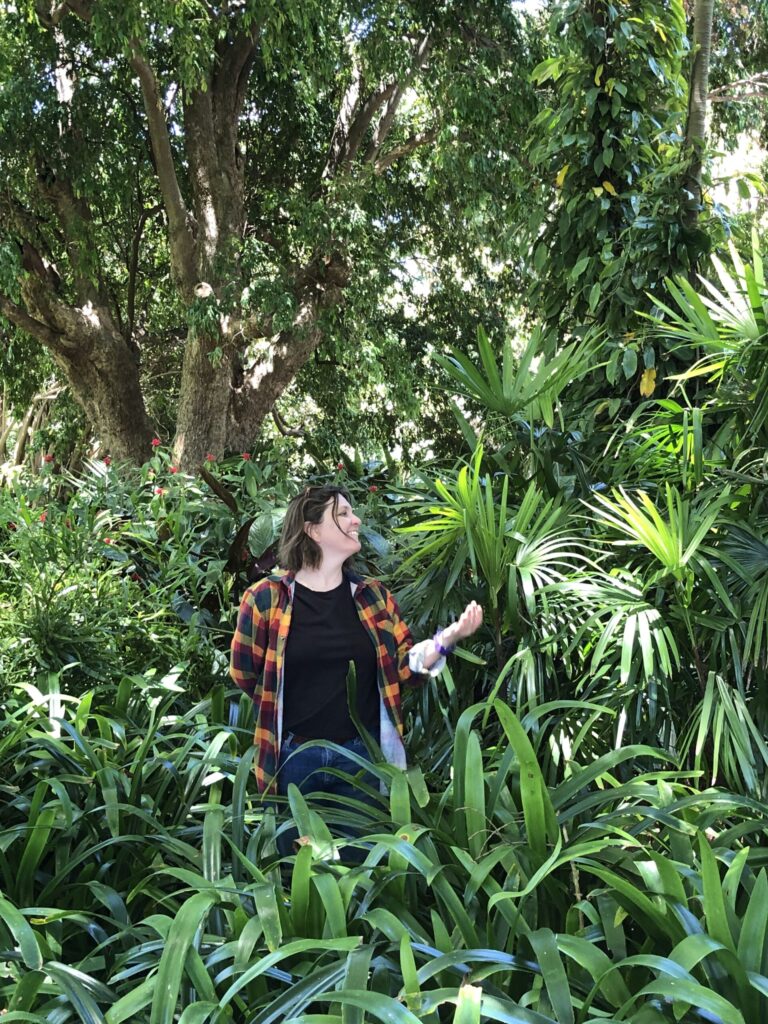
You can now find an INFTA-Certified Forest Therapy Guide at locations across Australia by clicking here! Originating from Japan, Shinrin-yoku (Nature and Forest Therapy) is an evidence-based preventative and therapeutic health practice of immersion in forests and other natural environments, intending to promote mental and physical health while at the same time being able to enjoy and appreciate nature. The walks are very popular so book your spot early! Since the pandemic, people are more stressed, anxious, and depressed and have chronic health conditions. Guided Forest Therapy walks provide a pathway for people to regain their health, feel safe and supported, learn and remember how good it is to immerse in nature and rest from all that consumes us in our daily lives. Forest Therapy walks help participants take time out of their busy lives so they can slow down and connect with the calming and health-giving benefits of nature. During a Forest Therapy walk, you will be guided through a sequence of nature connection practices. There is no expectation of what you should do, experience, or receive. Rather, guides simply encourage and support participants to immerse in nature through their senses, looking, listening, exploring, noticing and feeling with a quiet and accepting presence. A relaxing tea ceremony! Forest Therapy Guides gently support participants through a sequence of nature connection activities to wonder slowly, mindfully and in appreciation of nature. Taking a walk in nature has healing power for our minds and souls. We don’t ask anything from nature, yet nature gives us silence, peace, harmony and beauty, without limits. Walking in nature is an efficient therapy for our stressed, fast-paced lives.
Make your sit spot practice private and intimate
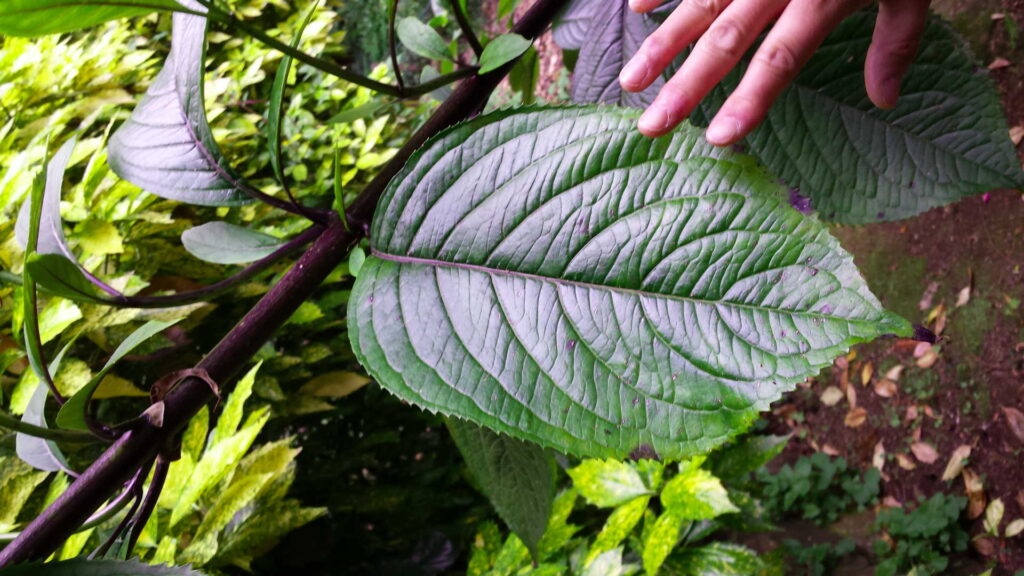
I recently introduced the ‘sit spot’ practice to guests on a guided walk. Curious as to what this means, I explained the ancient practice of finding a place of intimate connection with nature – a place where you learn to sit still – alone, often and quietly. As promised in my last blog, here are some suggestions about getting the greatest benefit from your sit spot. It is a regular habit which benefits my Forest Therapy guiding and mentoring. I used to think I had a good connection with nature with all my hiking. However, I have come to learn and appreciate a further level of connection from a few simple practices at my sit spot. My sit spot has become my nesting niche, retreat and renewal centre. Although keeping still is hard for most of us, we can gain a lot of benefits both physical and mental through this simple, but powerful practice. So, how can YOU tap into the benefits of a sit spot practice? Find time when your chores are done and you can slip away alone. Then quietly approach your sit spot and you’ll notice more. Having established a sit spot routine, you will soon find incredible things happening around you and with you: maybe an echidna will come out of the shrubs and feed a few meters next to you! It’s a practice of being completely present, opening all the senses to become aware of all that is going on in the environment. It takes time for animals to feel safe again to come out and continue with their daily routines. The other part to this routine is about sitting, about stillness. Focus on improving your sit spot and your observation skills. By being a quiet, unobtrusive guest you will learn to make yourself welcome again, as an accepted member of the natural community. To fully get to know your sit spot, go there at different times of day. Depending on the time of day you will observe different animals and different behavior patterns. Notice the different birds, flowers and animals through the seasons. Big umbrellas are good for rainy but also very sunny days! Sit quietly and comfortably as this is the best way to allow the natural world to get to know you as well. After a while, birds and animals may approach you with curiosity. Allow yourself a few minutes to start noticing. Once you sit quietly long enough, the birds accept the fact that you are there and there for good. As they return to their daily tasks, a previously hidden dimension of your landscape opens up. Simply try listening firs to different bird songs until you can distinguish between them. Use all your senses: your vision, hearing, touch, taste and smell. If you are intuitive, you can use that too. Occasionally, I take my journal to my sit spot to sketch or write what I observe. Yesterday I observed what is best described as a ‘territorial war’ between birds at the pond. After heavy rain I may take my camera as the creek is beautiful when flowing. Let nature guide you to enjoy your sit spot in mindful ways. I have two: one is on the edge of a small creek with wooded area in the neighborhood. The other is our home garden where I can observe lots of birds and different wild flowers. Having two sit spots makes it easy to connect with nature, whatever the time, day or weather. Busyness, does not interfere! I hope you can make the best of your sit spot practice this year. It is an experience that each person enjoys and benefits in different ways. Enjoy your sit spot in a way that brings you joy, happiness and connection.