Book your Forest Therapy walk in Australia!
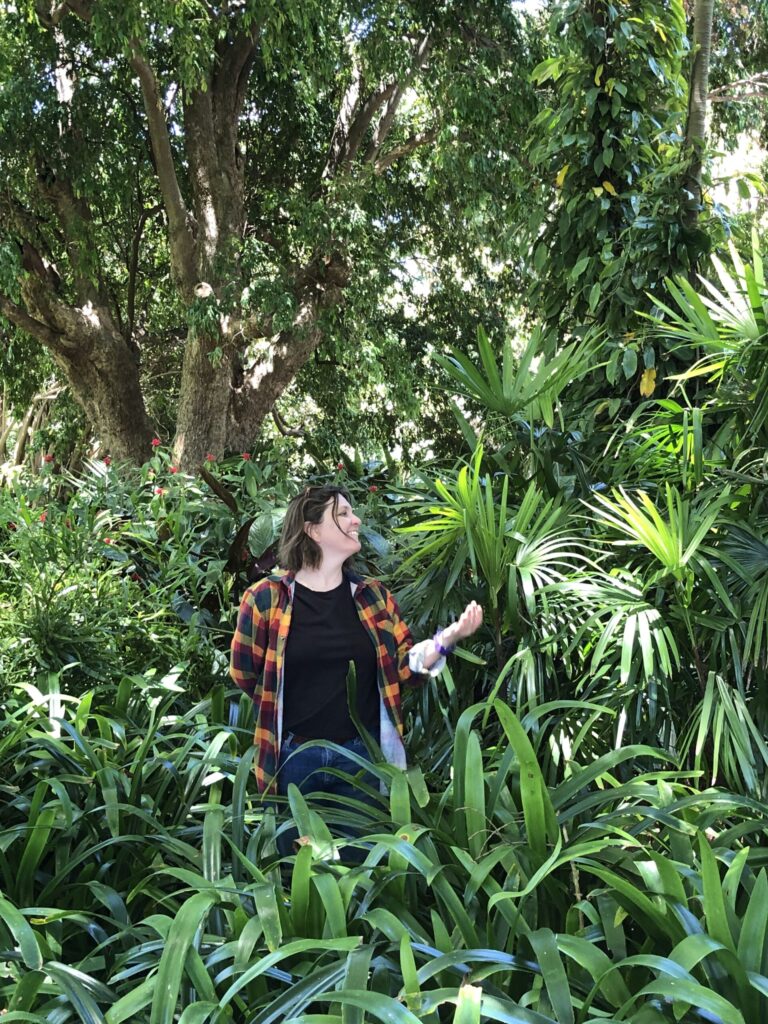
You can now find an INFTA-Certified Forest Therapy Guide at locations across Australia by clicking here! Originating from Japan, Shinrin-yoku (Nature and Forest Therapy) is an evidence-based preventative and therapeutic health practice of immersion in forests and other natural environments, intending to promote mental and physical health while at the same time being able to enjoy and appreciate nature. The walks are very popular so book your spot early! Since the pandemic, people are more stressed, anxious, and depressed and have chronic health conditions. Guided Forest Therapy walks provide a pathway for people to regain their health, feel safe and supported, learn and remember how good it is to immerse in nature and rest from all that consumes us in our daily lives. Forest Therapy walks help participants take time out of their busy lives so they can slow down and connect with the calming and health-giving benefits of nature. During a Forest Therapy walk, you will be guided through a sequence of nature connection practices. There is no expectation of what you should do, experience, or receive. Rather, guides simply encourage and support participants to immerse in nature through their senses, looking, listening, exploring, noticing and feeling with a quiet and accepting presence. A relaxing tea ceremony! Forest Therapy Guides gently support participants through a sequence of nature connection activities to wonder slowly, mindfully and in appreciation of nature. Taking a walk in nature has healing power for our minds and souls. We don’t ask anything from nature, yet nature gives us silence, peace, harmony and beauty, without limits. Walking in nature is an efficient therapy for our stressed, fast-paced lives.
“I’m no Picasso, but my doodles are definitely leafing a mark!
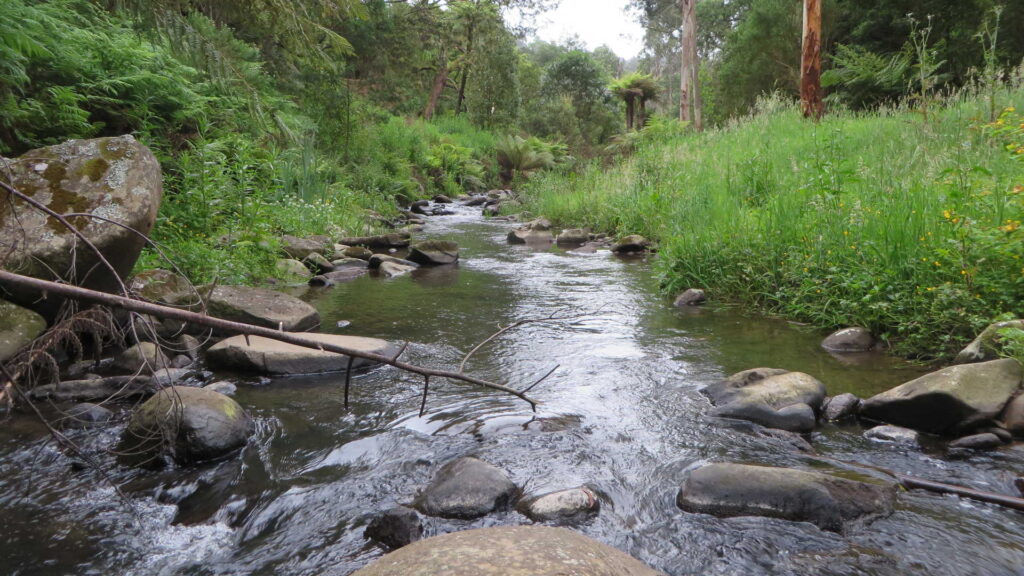
Overcoming the Fear of Drawing: A Beginner’s Guide to Nature Journaling Do you feel the urge to reconnect with nature but hesitate to pick up a pen or pencil to document your observations? If you’re a beginner, the thought of drawing—even simple sketches—can be daunting. But what if I told you that nature journaling isn’t just about creating perfect art; it’s about cultivating a deeper connection with the natural world and allowing yourself to slow down and really see the beauty around you? Let’s talk about how to overcome the fear of drawing and why nature journaling is a practice that anyone can embrace, regardless of artistic ability. Why Nature Journaling? 1. A Connection with Nature One of the most beautiful things about nature journaling is how it fosters a deeper connection with the natural world. When you take time to observe and document what’s around you—whether it’s the shape of a leaf, the flight of a bird, or the way the light falls on the water—you develop a sense of appreciation and wonder. This mindfulness can transform a simple walk outside into a meaningful experience. 2. Reduces Stress and Encourages Mindfulness In today’s fast-paced world, it’s easy to feel overwhelmed. Nature journaling offers a chance to slow down and be present. It encourages mindfulness as you focus on details—whether it’s a tiny flower or a cloud in the sky. This simple practice has been shown to reduce anxiety and promote relaxation, making it an ideal tool for mental well-being. 3. Sharpen Your Observation Skills Over time, nature journaling helps you sharpen your powers of observation. You’ll begin to notice things you may have overlooked before: the pattern of a tree bark, the movement of the clouds, the subtle changes in a bird’s behavior. This skill of keen observation is not only helpful in nature but also in other areas of life. 4. Learn Through Observation Nature journaling isn’t just about drawing—it’s also about learning. As you document the natural world, you start to understand the intricacies of plants, animals, and ecosystems. You might begin to recognize different species of trees, understand how weather patterns change, or observe the behavior of animals in their natural habitat. This hands-on learning can be both educational and inspiring. 5. Creativity and Self-Expression You don’t have to be a professional artist to enjoy the creative process of nature journaling. In fact, one of the most wonderful aspects of journaling is that it gives you the freedom to express yourself however you feel—through writing, drawing, painting, or even poetry. The goal is to capture your thoughts, feelings, and discoveries in a way that feels personal to you. Remember, this is your journal. Getting Started: Overcoming the Fear of Drawing If you’re new to nature journaling and worried about your drawing skills, know this: you don’t need to be an artist to begin. The practice is about exploration and personal growth, not perfection. Here are a few simple steps to get started: The Benefits of Nature Journaling Once you’ve embraced the practice, you’ll begin to notice the many benefits of nature journaling: A Final Thought Nature journaling isn’t about drawing perfectly—it’s about connecting deeply with the world around you. It’s a journey of self-expression, mindfulness, and personal growth. Whether you’re a beginner or an experienced journaler, you have the ability to develop your own unique practice. So, take a step outside, breathe in the fresh air, and let the world unfold before you. Remember, the most important thing is to start. Are you ready to start your nature journaling journey?