My Journey to the healing practice of Forest Therapy
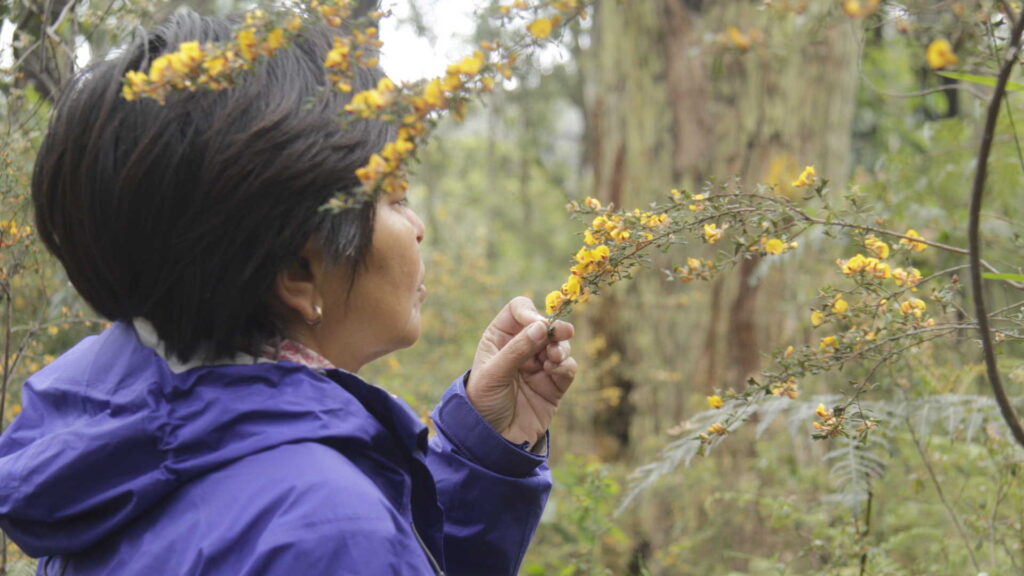
I grew up in Sri Lanka with all the freedom for daily play and discovery outdoors – as I said in a recent interview, there was no such thing as ‘nature deficit disorder’ in my formative years. The ocean was just down the street, where Sunday family picnics were the norm. That love of the ocean, grandparents who loved gardening, and no lack of adventure just outside my door, sealed my connection to nature. So when I got a chance in 1993 to go on a safari in Rwanda and sit next to a Silver-backed gorilla, I was on top of the world – my ‘Dian Fossey moment!’ I started hiking in Australia when I migrated in 2010. I had just qualified as a personal trainer, but, I yearned for the freedom of being in nature, away from the confines of a florescent-lit gym. It’s a call we all get at some point in our life, and I was enjoying every minute of raw energy getting to the top of the next hill, pounding my way over kilometers of rugged Australian bush tracks. I even started a hiking meetup group in Melbourne “Happy When I’m Hiking.” That sums it up, doesn’t it? ☺ In 2017, an experience in nature changed the way I related to the healing power of nature. I was in Virginia, celebrating my Mother’s 70th birthday in a lovely house overlooking the Blue Ridge Mountains. Her fondest childhood memories were those spent in nature, so her birthday wish was to do exactly that. We drove along the Blue Ridge Parkway, stopping at many of the lookouts, marvelling at the views, and walking along gentle paths. I was no longer rushing. As I wandered on the trails, I was inexplicably drawn to a single leaf in the canopy. Bathed in the gentle sunlight that filtered through the dense canopy (the Japanese word for this is “Komorebi”), this leaf’s vivid green hue held me captive. Within this solitary leaf, I discovered a world of wonder. Its intricate veins, resembling nature’s intricate map, revealed tales of growth and resilience. The gentle serrations along its edges showcased the finest craftsmanship of nature. While the forest enveloped me with its whispers—the rustling leaves, the soft hum of insects, and the distant calls of birds—it was this lone leaf that anchored me. It instilled patience and served as a reminder to cherish even the smallest moments. As I continued my unhurried walk, that leaf etched itself into my memory, a testament to the profound impact nature can have on the human soul, urging us to pause and savour its inherent beauty. This experience sparked a deep curiosity and led me to explore the Japanese practice of Shinrin Yoku, also known as ‘Forest Bathing.’ I yearned to understand more about the therapeutic benefits of immersing oneself in nature, a connection I had felt so deeply during my forest walk. The practice underscored the profound impact of nature on well-being. I was present, looking, touching, tasting and breathing in the forests around me. It made me curious; surely, there must be others that are connecting to nature this way? And so my inquiry into ‘Shinrin-yoku’ began, finally finding my way to Japan and the Saneum Recreation Forest in South Korea to meet with the pioneers of Forest Therapy and get certified in “Forest Therapy.” As the President of the International Nature and Forest Therapy Alliance (INFTA), it is my lifelong mission to lead, mentor and coach as many people to become certified Forest Therapy Guides. The idea of spending quality time in nature may seem simple, but it is actually quite profound and often life-changing. The Japanese practice of Shinrin-Yoku, or “Forest Therapy” embodies the concept that healing, relaxation and rejuvenation that occurs by immersing oneself in nature. The scientifically-proven benefits of forest therapy include: If you have any questions about the practice of Forest Therapy or becoming a Forest Therapy Guide, please do get in touch with me at susan@inmynature.life
Start a “Sit Spot” practice to a happier you
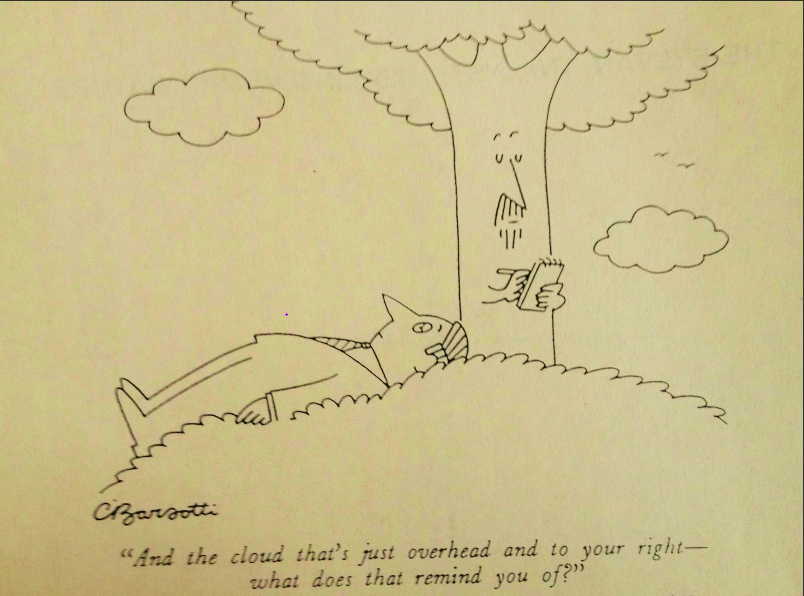
In today’s fast-paced world, many of us feel a deep need to reconnect with nature, as it’s essential to our sense of peace, happiness, and even purpose. Yet, as we rush through our busy lives in urban environments, we often find it difficult to carve out time for this connection. For many, sitting still for just a few minutes seems nearly impossible. This is where the practice of “Sit Spot” can be a simple, effective solution. What is a Sit Spot? A Sit Spot is your designated spot in nature where you can simply “be.” It’s a space to settle in, relax, and allow yourself to become fully present. Over time, you’ll find yourself more attuned to the sights, sounds, and movements of the natural world around you. This practice, used by poets, painters, yogis, and meditators for centuries, helps to strengthen your relationship to nature. By regularly visiting your Sit Spot, you begin to use our senses to become aware of how nature moves and acts around you. Simply sitting, breathing and tuning into the natural world is good for body, mind and spirit! The Benefits of Spending Time in Nature Research has shown that spending time in natural environments offers a wide range of benefits, from reduced blood pressure and a stronger immune system, to enhanced well-being and happiness. People who spend time outdoors tend to be healthier, more relaxed, and more content. We all know this on some level, but it’s easy to forget when we’re caught up in our daily routines. The challenge is to act on what we know and make time to reconnect with nature. One of the simplest and most effective ways to do this is by practicing “Sit Spot.” How to Practice Sit Spot The concept of Sit Spot is easy: find a quiet place outdoors—either in your own yard, a nearby park, or a natural area—and spend some time just sitting, breathing, and observing. No distractions, no phones—just you and nature. This practice has had a profound impact on my own mood, well-being, and sense of connectedness. For me, it’s become a regular ritual—a chance to step away from the noise of the world and take in the calm of the natural environment. It’s also been an essential part of my work as a Forest Therapy Guide, helping me stay grounded and attuned to the rhythms of nature. Finding Your Perfect Sit Spot When it comes to choosing your Sit Spot, the most important factor is that it should be easily accessible. Ideally, it should be a place you can visit regularly without much effort—somewhere close to your home or work. Your own garden, a quiet bench in a nearby park, or a secluded spot at a local woodland or urban forest are all excellent choices. Aim for a location that invites you to be present. While you might dream of sitting by a rushing creek or under a majestic tree, even a small garden can become a perfect Sit Spot. What to Look for in a Sit Spot When choosing your Sit Spot, consider the following natural features: Even in urban areas, nature is all around you. For instance, a quiet corner in the your local botanic gardens can serve as an ideal Sit Spot amidst the hustle of the city. The key is to find a place that allows you to observe and connect with nature—whether it’s through the movement of the wind, the chirping of birds, or the rustling of leaves. The Practice of Being Present When you settle into your Sit Spot, start by getting comfortable. Take a few deep breaths, relax your body, and greet yourself with kindness—this is your time to connect. Set an intention to truly engage with the natural world around you, and let go of any distractions. Turn your attention to your senses: what do you smell, hear, see, and feel? Pay close attention to the sounds of the birds, the temperature of the air on your skin, or the scent of the plants nearby. Let yourself fully experience these sensory details, allowing them to ground you in the present moment. Curiosity is key. Wonder about the small details around you, and let it be okay not to have all the answers. This practice isn’t about gathering knowledge, but about fostering a deeper connection with the environment. The goal is simply to be present, to observe, and to experience. As your time at the Sit Spot draws to a close, take a moment to reflect. You might want to journal your thoughts, sketch what you saw, or collect something to remind you of your time there. Finally, before you leave, take a moment to thank your Sit Spot. You can pause for a few extra moments, offer water to a nearby plant or tree, or leave a small gift for the local wildlife. This gesture acknowledges the space you’ve shared and the connection you’ve fostered during your time there. Stay Safe and Comfortable It’s important to feel safe and comfortable in your Sit Spot. Be mindful of any potential hazards, like bees, snakes, or unstable branches, but don’t let this stop you from finding your spot. When you feel secure, you can fully relax and enjoy the process. You may even find that your Sit Spot becomes a space where you can let go of tension—taking a brief nap or simply resting. An Experience for Life The beauty of the Sit Spot practice is that it’s adaptable to your lifestyle. You don’t have to spend hours at your spot every day—start with just 10 minutes and build from there. The more often you visit, the more you’ll notice and appreciate the subtle changes in the environment, from the shift in seasons to the daily rhythms of wildlife. If you have the time, consider finding a second, “wilder” Sit Spot for weekend visits, where you can immerse yourself in a more natural setting. Over time, these moments of quiet observation can deepen
Book your Forest Therapy walk in Australia!
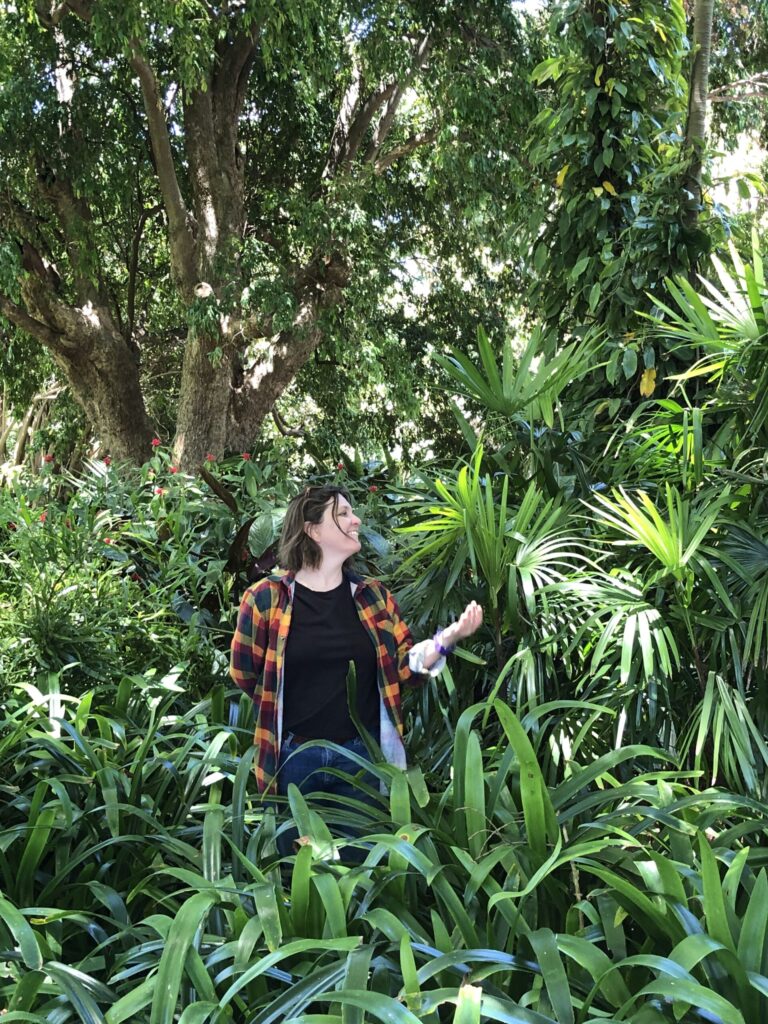
You can now find an INFTA-Certified Forest Therapy Guide at locations across Australia by clicking here! Originating from Japan, Shinrin-yoku (Nature and Forest Therapy) is an evidence-based preventative and therapeutic health practice of immersion in forests and other natural environments, intending to promote mental and physical health while at the same time being able to enjoy and appreciate nature. The walks are very popular so book your spot early! Since the pandemic, people are more stressed, anxious, and depressed and have chronic health conditions. Guided Forest Therapy walks provide a pathway for people to regain their health, feel safe and supported, learn and remember how good it is to immerse in nature and rest from all that consumes us in our daily lives. Forest Therapy walks help participants take time out of their busy lives so they can slow down and connect with the calming and health-giving benefits of nature. During a Forest Therapy walk, you will be guided through a sequence of nature connection practices. There is no expectation of what you should do, experience, or receive. Rather, guides simply encourage and support participants to immerse in nature through their senses, looking, listening, exploring, noticing and feeling with a quiet and accepting presence. A relaxing tea ceremony! Forest Therapy Guides gently support participants through a sequence of nature connection activities to wonder slowly, mindfully and in appreciation of nature. Taking a walk in nature has healing power for our minds and souls. We don’t ask anything from nature, yet nature gives us silence, peace, harmony and beauty, without limits. Walking in nature is an efficient therapy for our stressed, fast-paced lives.